
How to Maximize Your Garden Year-Round
Chosen theme: How to Maximize Your Garden Year-Round. Imagine stepping outside in January for sweet winter spinach, in April for tender radishes, in July for juicy tomatoes, and in October for crisp kale. Today we’ll map out a friendly, proven path to harvest in every season—no overwhelm, just smart steps. Share your zone below and subscribe for monthly planting prompts tailored to your climate.
Soil That Works 365 Days
Compost as a Weekly Habit
Add kitchen scraps and browns every weekend: coffee grounds, leaves, torn cardboard. Keep a bucket by the door so it never feels like a chore. In cold months, pile materials and let microbes wake in spring. Tell us your compost win, or ask for a quick troubleshooting tip.
Mulch Like a Pro in Every Season
Straw in summer cools soil and saves watering; shredded leaves in fall insulate roots and feed earthworms. Wood chips on paths stop compaction and mud. After our first hard frost, we tucked garlic under a leaf blanket and harvested fat bulbs in June. What’s your go-to mulch?
Cover Crops: Your Quiet Workforce
Sow crimson clover after tomatoes or winter rye after corn, then chop and drop before planting spring crops. Cover roots prevent erosion, trap nutrients, and invite beneficial fungi. A small bed sown in oats saved us from winter weeds entirely. Ready to try a mini cover-crop test?
Season Extenders That Pay Off
Old windows on simple wooden boxes create cozy cold frames that trap solar heat. Floating row covers buffer wind and add a few degrees of protection. We ate February parsley under a lightweight cover after a surprise freeze. Curious which fabric weight suits your zone? Ask below.
Season Extenders That Pay Off
Hoops plus plastic or fabric make affordable low tunnels that shield greens from frost and extend spring and fall. Spinach sweetens after cold nights as sugars concentrate, a delicious bonus. Share whether you prefer clear plastic or breathable fleece, and we will compare results together.
Cool-Weather Champions
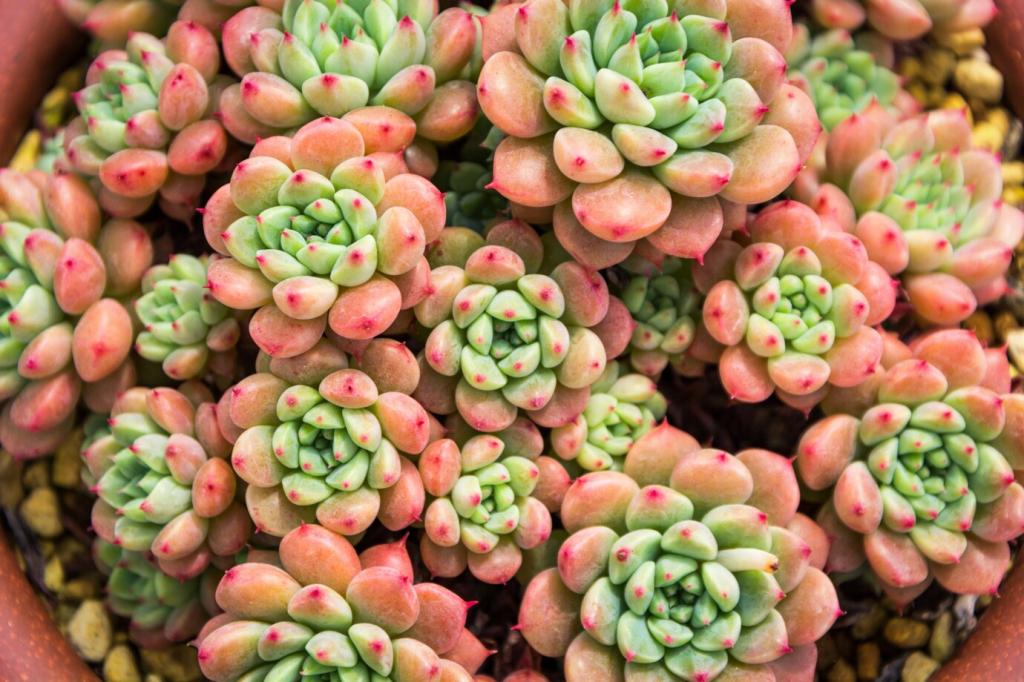
Spinach, mâche, kale, and scallions thrive in chill and rebound after light freezes. Sow little and often to keep baby greens coming. In our windy backyard, ‘Winterbor’ kale stood strong through sleet. What cool-season variety earned a permanent spot in your beds?
Warm-Season Staples Without Gaps
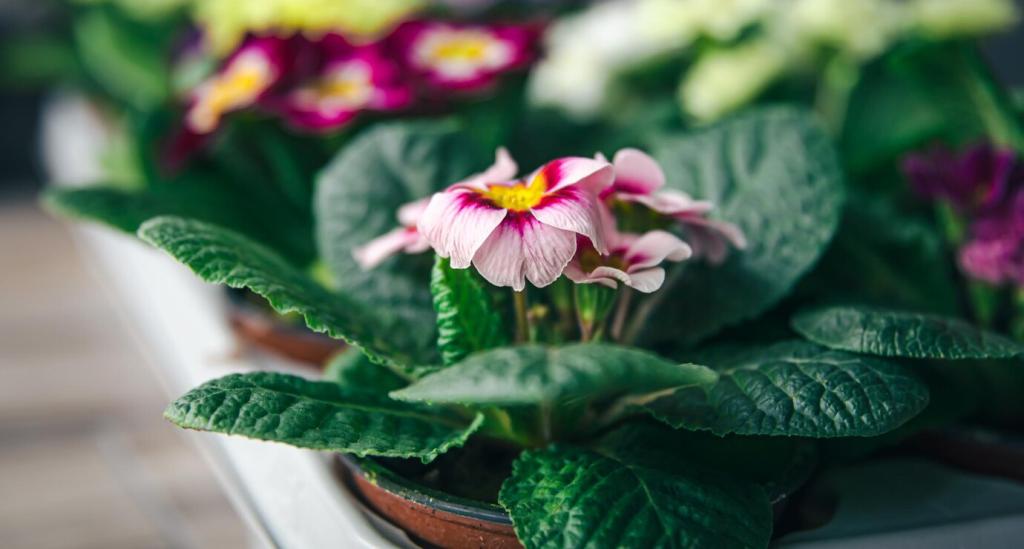
Stagger plantings of bush beans and sweet corn two weeks apart. Pair indeterminate tomatoes with quick basil for continuous snips. When one cucumber vine tires, a late-started seedling takes over. Drop your zone, and we’ll suggest a two-wave plan for tomatoes and beans.
Perennials and Structure
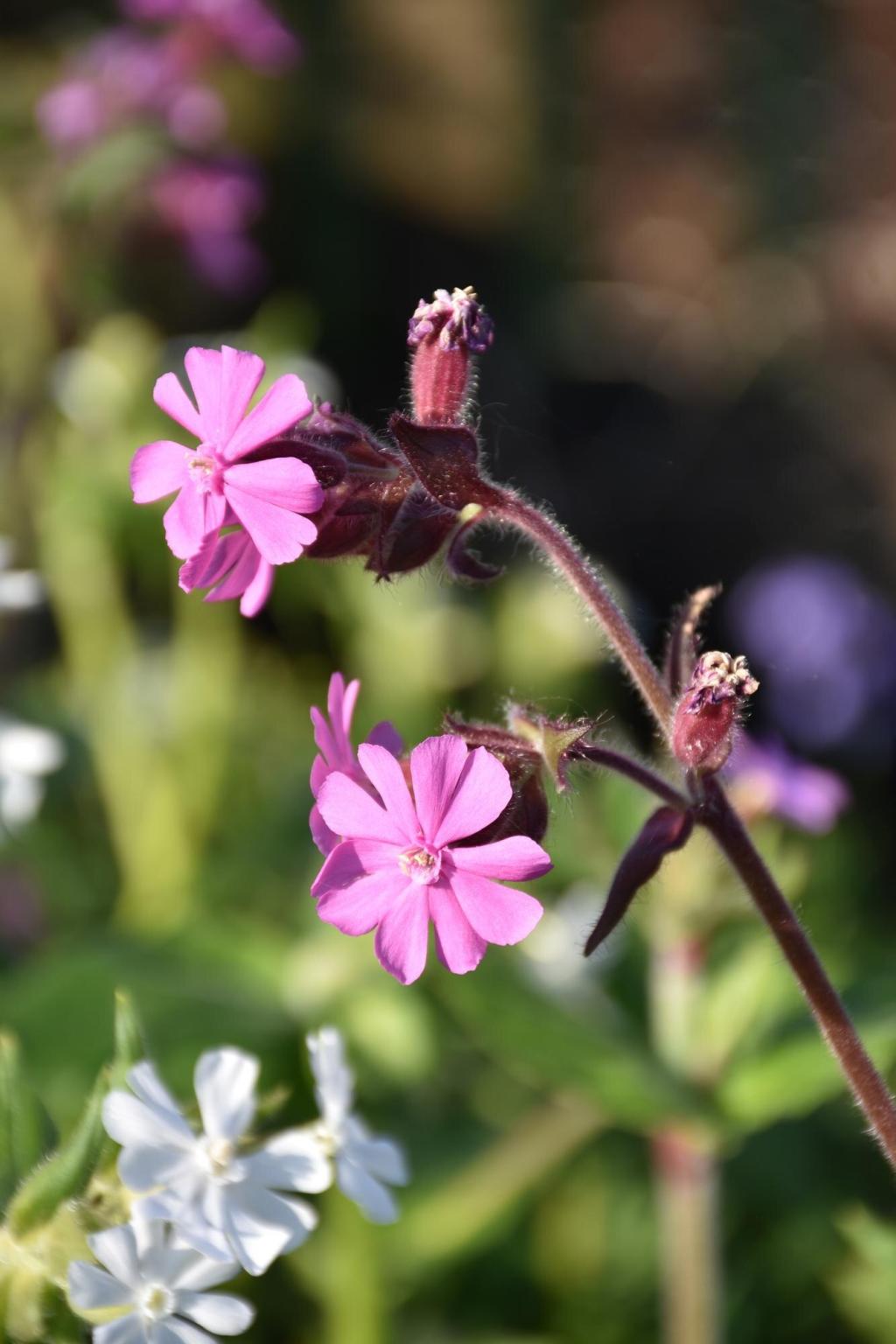
Asparagus, rhubarb, strawberries, and herbs like thyme anchor the garden, returning early and filling hunger gaps. Blueberries, rosemary (in milder zones), and evergreen shrubs add shelter for beneficials. Tell us your favorite perennial; we will recommend a companion to boost your harvest.
Water and Nutrients Without Waste
Drip Systems That Survive Winter
Install drip lines with shutoff valves and quick-connects. In late fall, drain lines and coil them off the ground to prevent cracking. We skipped this once and paid dearly. Want a printable winterizing checklist? Comment “drip” and we’ll send it your way.
Catch Rain, Save Summer
Rain barrels under downspouts fill faster than most expect. A basic leaf screen keeps debris out, and a dark barrel limits algae. One storm topped ours and carried tomatoes through an August dry spell. Share your roof size, and we will estimate potential capture for you.
A Feeding Plan You Can Remember
Mix compost into beds in spring, side-dress heavy feeders mid-summer, and foliar feed magnesium-hungry plants like peppers if leaves pale. A wall calendar reminder beats guesswork. Post your current fertilizer routine, and we will offer a gentle, organic tweak for steadier growth.
Balance Pests, Pollinators, and Wildlife
Invite the Right Insects
Plant umbels like dill and fennel for parasitic wasps, and daisies and yarrow for hoverflies that devour aphids. A modest wildflower strip boosted our cucumber yield by drawing more pollinators. List three flowers you love, and we will suggest a pollinator trio for your zone.
Non-Toxic Defense Tactics
Rotate crops, use physical barriers, and hand-pick early. Beer traps catch slugs, and cardboard collars foil cutworms. We beat cabbage moths by pairing netting with weekly checks. Ask for our quick ID guide if you are unsure who is nibbling which leaf this week.
Year-Round Habitat, Small Footprint
A small brush pile, birdbath with stones, and an herb hedge provide shelter and water. Leave hollow stems over winter for solitary bees, then cut in spring when nights warm. Share a photo of your habitat corner, and we will cheer on your next tiny improvement.